

Technical SEO improves website performance and boosts search engine rankings. It ensures faster load times and better user experience.
A well-optimized website is crucial for online success. Technical SEO addresses behind-the-scenes factors like site speed, mobile-friendliness, and crawlability. These elements help search engines understand and index your site effectively. A faster loading website not only improves user experience but also reduces bounce rates.
Mobile optimization ensures your site is accessible to users on any device. Proper indexing means search engines can easily find and rank your content. Investing in technical SEO enhances your site’s visibility and credibility. This leads to increased organic traffic and higher conversion rates. Prioritizing technical SEO sets the foundation for long-term growth and online success.
Introduction To Technical Seo
Technical SEO is the backbone of every successful website. It ensures your website is easy to crawl and index by search engines. This means better rankings and more visibility. Let’s dive into why Technical SEO is crucial.
Importance Of Technical Seo
Technical SEO helps search engines understand your site. It improves your site’s architecture and makes it user-friendly. Here are some key benefits:
- Faster Load Times: Optimized code and images speed up your site.
- Better Crawling: Search engines can find and index your pages.
- Mobile Optimization: Ensures your site looks good on phones.
- Secure Connection: HTTPS encryption protects user data.
| Benefit | Description |
|---|---|
| Faster Load Times | Improves user experience and reduces bounce rates. |
| Better Crawling | Ensures all pages are indexed by search engines. |
| Mobile Optimization | Enhances usability on mobile devices. |
| Secure Connection | Boosts user trust and improves rankings. |
Common Misconceptions
Many people think Technical SEO is too complicated. It’s not. Here are some common misconceptions:
- It’s Only for Developers: Anyone can learn Technical SEO basics.
- It’s a One-Time Task: SEO needs regular updates.
- It’s Not Important: Technical SEO is crucial for search rankings.

Improving Site Speed
Improving site speed is a fundamental aspect of technical SEO. A faster website enhances user experience and boosts search engine rankings. Here are some benefits of improving site speed:
Impact On User Experience
A fast website ensures users stay longer. Slow websites frustrate visitors. This leads to higher bounce rates. A speedy site provides a seamless experience. Users can quickly find what they need. This increases engagement and satisfaction.
Search Engine Rankings
Google considers site speed in its ranking algorithm. Faster websites rank higher on search results. This boosts organic traffic. A slow site can harm your SEO efforts. Improving speed helps you stay competitive. Faster sites are also easier for search engines to crawl. This ensures better indexing and visibility.
| Impact | Description |
|---|---|
| User Retention | Fast sites keep users engaged. |
| SEO | Google ranks faster sites higher. |
| Conversion Rates | Speedy sites have better conversion rates. |
To improve site speed, consider the following:
- Optimize images
- Minimize HTTP requests
- Enable browser caching
- Use a Content Delivery Network (CDN)
- Minify CSS and JavaScript
These steps can significantly improve your site speed. This will enhance both user experience and search engine rankings.
Enhancing Mobile Optimization
Technical SEO plays a crucial role in enhancing mobile optimization. A well-optimized mobile site improves user experience. It also boosts your website’s search engine rankings.
Mobile-first Indexing
Google uses mobile-first indexing. This means Google primarily uses the mobile version of a site for ranking. If your site isn’t mobile-friendly, it can hurt your rankings.
Ensure your website is mobile-friendly. Use tools like Google’s Mobile-Friendly Test. This will help you identify and fix issues.
Responsive Design
Responsive design makes your website look good on all devices. This includes desktops, tablets, and smartphones.
Implementing a responsive design improves user experience. It also reduces bounce rates and increases engagement.
- Use flexible grids and layouts.
- Optimize images for different screen sizes.
- Ensure easy navigation on mobile devices.
A responsive design adapts to different screen sizes. This ensures your content is accessible to all users.
Boosting Crawlability
Search engines need to understand your website. To achieve this, boosting crawlability is crucial. It ensures search engines can find and index all your pages. Technical SEO plays a key role in this process. Let’s dive into the essential aspects that boost crawlability.
Xml Sitemaps
XML sitemaps guide search engines to your important pages. They act like a roadmap for crawlers. Sitemaps help search engines find new content quickly.
Here are some key features of XML sitemaps:
- Easy Navigation: Simplifies the search process for crawlers.
- Content Prioritization: Highlights your most important pages.
- Regular Updates: Ensures fresh content gets indexed.
Robots.txt Files
Robots.txt files control crawler access to your site. They tell search engines which pages to crawl and index. This prevents unimportant pages from wasting crawl budget.
Key aspects of Robots.txt files include:
| Directive | Function |
|---|---|
| User-agent | Specifies which crawler rules apply to. |
| Disallow | Blocks access to specified pages. |
| Allow | Grants access to specific pages. |
Proper use of Robots.txt files enhances crawl efficiency. It ensures important pages are indexed first.
Optimizing Site Architecture
Optimizing your site’s architecture is vital for technical SEO. It ensures search engines understand and index your content efficiently. A well-structured site improves user experience, leading to higher engagement and conversions. Let’s dive into key elements of optimizing site architecture.
Internal Linking
Internal linking connects your web pages. It helps distribute link equity across your site. This improves the visibility of important pages. Here are some best practices:
- Use descriptive anchor text.
- Link to relevant pages naturally.
- Avoid excessive links on a single page.
Internal links also help users navigate your site. They provide a clear path to follow. This enhances user experience and keeps visitors on your site longer.
Url Structure
A clean URL structure is crucial for both users and search engines. URLs should be concise and descriptive. Here are some tips for creating effective URLs:
- Use hyphens to separate words.
- Keep URLs short and simple.
- Include relevant keywords.
Avoid using numbers or special characters in URLs. This makes them easier to read and share. A well-structured URL improves click-through rates and helps with SEO.
| Element | Best Practice |
|---|---|
| Internal Linking | Use descriptive anchor text and link naturally. |
| URL Structure | Keep URLs short, simple, and keyword-rich. |
Leveraging Structured Data
Technical SEO is crucial for improving a website’s search engine performance. One effective strategy is leveraging structured data. Structured data helps search engines understand your content better. It uses a specific format to provide detailed information about a page. This can lead to enhanced visibility and user engagement.
Rich Snippets
Rich snippets are enhanced search results. They display additional information below the page title. This can include ratings, reviews, and images. Structured data helps create these rich snippets. They catch users’ eyes and increase click-through rates (CTR).
- Review Snippets: Display user ratings and reviews.
- Recipe Snippets: Show ingredients, cook time, and calories.
- Event Snippets: Highlight dates, locations, and ticket information.
Seo Benefits
Leveraging structured data offers several SEO benefits. It enhances search engine understanding of your content. This can lead to better search rankings.
Here are some key benefits:
- Improved Visibility: Rich snippets make your results stand out.
- Increased CTR: Users are more likely to click on rich results.
- Better Indexing: Search engines understand your content better.
- Enhanced User Experience: Provides users with useful information quickly.
Structured data is a powerful tool in technical SEO. It boosts visibility and user engagement. Implementing it can significantly improve your website’s performance.
Securing Your Website
Technical SEO is essential for securing your website. It helps protect your data and builds trust with your users. A secure website is not just a luxury; it’s a necessity. Let’s explore how to secure your website using the HTTPS protocol and focus on data protection.
Https Protocol
HTTPS stands for Hypertext Transfer Protocol Secure. It encrypts data exchanged between the user and the website. This encryption protects sensitive information, such as credit card details and passwords.
- Encryption: Data is encrypted to prevent unauthorized access.
- Authentication: Ensures the website is genuine and not a fake.
- Data Integrity: Data cannot be altered without detection.
Using HTTPS boosts your search engine rankings. Search engines prioritize secure websites. This can lead to more traffic and higher credibility.
Data Protection
Protecting user data is critical. It builds trust and keeps your audience safe. Here are some key aspects of data protection:
- SSL Certificates: Secure Sockets Layer (SSL) certificates encrypt data.
- Regular Updates: Keep your software up to date to fix security flaws.
- Backup Data: Regularly back up your data to prevent loss.
Secure websites enhance user experience. Users feel safe sharing their information. This can lead to higher engagement and conversions.
| Security Aspect | Description |
|---|---|
| Encryption | Prevents unauthorized data access |
| Authentication | Ensures the site is legitimate |
| Data Integrity | Data cannot be tampered with |

Minimizing Duplicate Content
Technical SEO plays a crucial role in enhancing your website’s performance. One significant benefit is minimizing duplicate content. Duplicate content can confuse search engines and affect rankings. Let’s explore some strategies to tackle this issue effectively.
Canonical Tags
Using canonical tags helps manage duplicate content. These tags inform search engines about the preferred version of a web page. This prevents multiple URLs with similar content from being indexed. Here’s how to implement canonical tags:
Place this code in the section of your HTML. This ensures search engines prioritize the correct page.
Content Consistency
Maintaining content consistency across your website is vital. Ensure your content is unique and valuable. Follow these tips for content consistency:
- Create original content for each page.
- Avoid copying content from other sources.
- Use internal linking to connect related content.
Original and consistent content improves your site’s authority. It also enhances the user experience.
Improving Indexing
Technical SEO is crucial for improving your website’s indexing. It ensures search engines can easily find and understand your content. This boosts your site’s visibility and ranking in search results. Let’s explore two key tools that help in improving indexing: the Index Coverage Report and the URL Inspection Tool.
Index Coverage Report
The Index Coverage Report helps you understand which pages on your site are indexed by Google. It shows you the pages that are successfully indexed, those with errors, and those that are excluded.
Key benefits:
- Identify indexing issues quickly
- Understand why certain pages are not indexed
- Track your indexing status over time
| Type | Description |
|---|---|
| Valid | Pages successfully indexed |
| Error | Pages with indexing issues |
| Excluded | Pages not indexed by choice or error |
Url Inspection Tool
The URL Inspection Tool gives detailed information about specific URLs on your site. You can check if a URL is indexed and see any issues that might prevent it from being indexed.
Key benefits:
- Check individual URLs for indexing status
- Identify and fix specific issues
- Request indexing for new or updated pages
Using these tools helps improve your site’s indexing. This ensures that your content reaches more users.
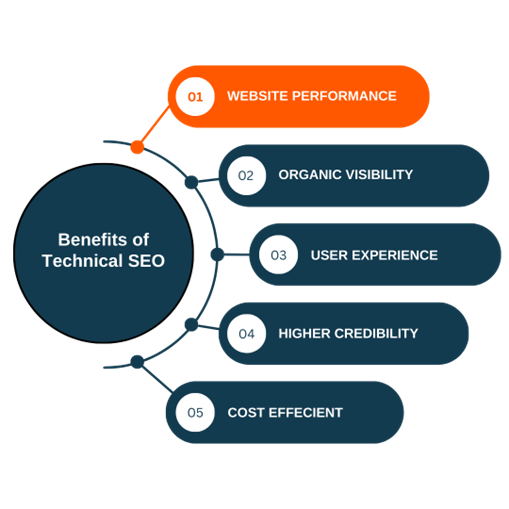
Enhancing User Experience
Technical SEO is not just about search engines. It’s about making your website better for users. Enhancing user experience is key. Happy users stay longer and engage more.
Core Web Vitals
Core Web Vitals are essential for a good user experience. These metrics measure how fast your site loads and how stable it is. Google uses them to rank your site.
| Metric | What it Measures |
|---|---|
| Largest Contentful Paint (LCP) | Loading performance |
| First Input Delay (FID) | Interactivity |
| Cumulative Layout Shift (CLS) | Visual stability |
Improving these metrics makes your site faster and more stable. Users will enjoy a smooth experience.
User-friendly Navigation
Easy navigation helps users find what they need quickly. A clear menu and well-placed buttons improve usability. Users don’t want to hunt for information.
- Use clear labels for menus and links.
- Organize content logically.
- Ensure all links work properly.
User-friendly navigation keeps users on your site longer. They can find what they want without frustration.
Enhancing user experience through technical SEO benefits everyone. Users are happy, and your site ranks better.
Conclusion And Next Steps
Technical SEO is vital for improving your website’s performance. It ensures better visibility on search engines. By focusing on technical SEO, you can enhance user experience and boost rankings. Let’s delve into the next steps to maintain and advance your technical SEO efforts.
Continuous Monitoring
Regularly monitor your website’s performance. Use tools like Google Analytics and Search Console. They help track key metrics such as page load speed, mobile usability, and crawl errors. Fix any issues promptly to maintain optimal performance.
Here are some key areas to monitor:
- Page Speed: Ensure fast load times to reduce bounce rates.
- Mobile Usability: Your site must be mobile-friendly.
- Crawl Errors: Identify and resolve any errors.
Consistent monitoring helps keep your website in top shape. It also ensures a seamless experience for users and search engines.
Future Trends In Technical Seo
Technical SEO is ever-evolving. Staying updated with trends is crucial. Here are some upcoming trends to watch:
- Voice Search Optimization: Optimize for voice search queries.
- AI and Machine Learning: Understand how search engines use AI.
- Core Web Vitals: Focus on user experience metrics.
Adapting to these trends can give you a competitive edge. Stay proactive and incorporate these strategies into your SEO plan.
By continuously monitoring and staying updated with future trends, you can ensure your website remains optimized and competitive. Implement these steps to see sustained growth and improved rankings.
Frequently Asked Questions
Why Is Technical Seo Important?
Technical SEO ensures your website is easily crawled and indexed by search engines. It improves site speed, security, and mobile-friendliness. This leads to better search rankings, user experience, and higher organic traffic. Proper technical SEO is crucial for online visibility and success.
How Technical Seo Is Important For Enterprise?
Technical SEO boosts enterprise website visibility and performance. It enhances site speed, mobile usability, and crawlability. Improved technical SEO leads to higher search rankings, more traffic, and better user experience. This is crucial for staying competitive in the digital market.
What Is The Difference Between Technical Seo And Seo?
Technical SEO focuses on website infrastructure, speed, and crawlability. SEO covers broader strategies like content, keywords, and backlinks.
What Are The Most Important Technical Things In Seo?
The most important technical things in SEO are website speed, mobile-friendliness, secure connections (HTTPS), proper URL structure, and clean code.
What Is Technical Seo?
Technical SEO involves optimizing website infrastructure for search engines to crawl and index efficiently.
Conclusion
Technical SEO offers numerous benefits for your website. It enhances site speed, improves user experience, and boosts search engine rankings. Implementing these strategies leads to higher visibility and increased organic traffic. Prioritize technical SEO to stay ahead in the competitive digital landscape and ensure long-term success for your online presence.

