

Technical SEO schema helps search engines understand your content better. It boosts visibility and enhances rich snippets.
Technical SEO schema, also known as structured data, is crucial for optimizing your website for search engines. It involves adding specific code to your web pages that informs search engines about the content on your site. This improves how search engines interpret your pages, leading to better visibility in search results.
Implementing schema markup can increase the chances of appearing in rich snippets, which often attract more clicks. Rich snippets can include reviews, ratings, prices, and other relevant information. By adopting schema, you can improve your site’s SEO performance and user experience. This makes it an essential strategy for anyone serious about digital marketing.
Introduction To Technical Seo Schema
Technical SEO Schema is a powerful tool. It helps search engines understand your content. This understanding can enhance your site’s visibility. Let’s explore what it is and why it’s important.
What Is Schema Markup?
Schema Markup is a type of microdata. It creates a better description of your website. This description, known as a “rich snippet,” appears in search results.
Schema uses a specific vocabulary. This vocabulary helps search engines understand your data. It’s like giving them a cheat sheet.
Think of Schema as a code. It tells search engines what your data means. For example, it can define a movie’s title, director, and release date.
Importance In Seo
Schema Markup is essential for SEO. It enhances search engine results pages (SERPs). This can lead to higher click-through rates.
Here are some key benefits:
- Improved Search Visibility: Rich snippets make your site stand out.
- Higher CTR: More clicks can lead to more traffic.
- Better User Experience: Users get more relevant information quickly.
Search engines prefer structured data. They can index your site more effectively. This means better rankings.
Here’s a simple example of Schema Markup:
Adding this code to your HTML helps search engines. They understand John Doe’s profession and contact details.
In summary, Technical SEO Schema is vital. It enhances your site’s performance and visibility.

Types Of Schema Markup
Understanding Schema Markup is crucial for Technical SEO. This helps search engines understand your website content. Schema Markup is a form of structured data. It provides detailed information about a page.
Structured Data Types
There are different types of structured data. Each serves a unique purpose. These types help improve search engine results.
| Structured Data Type | Description |
|---|---|
| JSON-LD | JavaScript Object Notation for Linked Data. Easy to use and implement. |
| Microdata | Embedded within HTML content. Uses tags to define elements. |
| RDFa | Resource Description Framework in attributes. Integrates with HTML5. |
Commonly Used Schemas
Various schemas are commonly used in websites. These schemas help search engines understand the content.
- Article – Defines news articles and blog posts.
- Product – Describes a product and its features.
- Event – Details about events like concerts or webinars.
- Recipe – Provides details about cooking recipes.
- Local Business – Information about local businesses like restaurants.
Implementing Schema Markup
Implementing Schema Markup can significantly enhance your website’s visibility in search results. Schema Markup helps search engines understand your content better, providing rich snippets that attract more clicks. This section will guide you on how to implement Schema Markup manually and using plugins and tools.
Manual Implementation
Manual implementation gives you complete control over your Schema Markup. You need to add structured data directly to your HTML code. This approach is beneficial for those who have coding knowledge.
Here are the steps to manually implement Schema Markup:
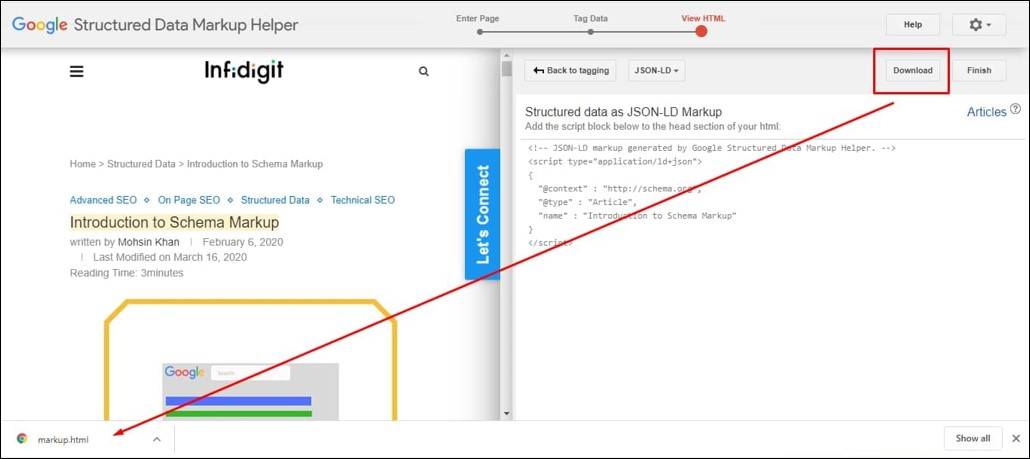
- Identify the type of Schema Markup you need. For example,
Article,Product,Event, etc. - Use Google’s Structured Data Markup Helper to generate the required code.
- Copy the generated JSON-LD code.
- Paste the code within the
section of your HTML file. - Test your markup using Google’s Structured Data Testing Tool.
Ensure you keep your Schema Markup updated to reflect any changes in your content.
Using Plugins And Tools
For those without coding skills, using plugins and tools is a great alternative. These tools simplify the process of adding Schema Markup.
Here are some popular plugins and tools:
- Yoast SEO: A comprehensive SEO plugin that offers built-in Schema Markup features.
- Schema Pro: A dedicated plugin for adding Schema Markup to your site.
- All in One SEO: Another robust SEO plugin with Schema Markup capabilities.
To use these plugins:
- Install and activate the desired plugin from the WordPress repository.
- Navigate to the plugin settings and enable the Schema Markup features.
- Configure the Schema Markup settings as per your requirements.
- Save changes and test your markup using the Structured Data Testing Tool.
Using plugins makes it easy to implement and maintain Schema Markup, ensuring your site stays optimized.
Testing And Validating Schema
Testing and validating schema markup is crucial for Technical SEO. Proper validation ensures search engines understand your site’s content. This process helps improve your site’s visibility and ranking.
Google’s Structured Data Testing Tool
Google provides the Structured Data Testing Tool for checking schema markup. This tool helps you see how Google reads and interprets your schema.
To use the tool:
- Go to the Structured Data Testing Tool.
- Enter your page URL or paste your code snippet.
- Click on “Run Test”.
The tool will show any errors or warnings in your schema markup. Fixing these issues is essential for better search engine understanding.
Common Errors And Fixes
Schema markup errors can hinder your site’s performance. Here are some common errors and their fixes:
| Error | Description | Fix |
|---|---|---|
| Missing Field | A required field is missing. | Add the missing field to your schema. |
| Invalid Type | Field type doesn’t match the expected type. | Ensure the field type is correct. |
| Incorrect Nesting | Elements are not nested correctly. | Correct the nesting structure. |
Common errors often include missing fields, invalid types, and incorrect nesting. Addressing these errors ensures better performance.
Best Practices For Schema Markup
Schema Markup is a powerful tool in Technical SEO. It enhances search engines’ understanding of your content. Following best practices ensures your site reaps maximum benefits. Below are some key areas to focus on.
Ensuring Accuracy
Accuracy in Schema Markup is crucial. Incorrect data can mislead search engines. Always use the correct schema type for your content.
- Double-check all structured data for errors.
- Use Google’s Structured Data Testing Tool to validate.
- Ensure all fields are populated correctly.
| Schema Type | Content Type |
|---|---|
| Article | Blog Posts, News Articles |
| Product | eCommerce Product Listings |
| Recipe | Cooking Instructions |
Avoiding Over-optimization
Over-optimization can harm your site’s SEO. Overloading pages with schema can confuse search engines. Use schema only where necessary.
- Do not use multiple types of schema on one page.
- Stick to relevant schema types for your content.
- Avoid filling in unnecessary fields.
Following these best practices can improve your site’s search visibility. Accurate and relevant schema helps search engines understand your content better. Avoiding over-optimization ensures your site remains clear and effective.

Impact On Search Rankings
Technical SEO Schema plays a crucial role in improving search rankings. Search engines understand the content better with structured data. This leads to higher visibility and better placement in search results.
Rich Snippets And Enhanced Listings
Rich snippets are special search results that show extra information. They appear above regular search results. Examples include star ratings, prices, and product availability. These snippets attract more attention and clicks.
Enhanced listings improve the visibility of your website. They provide users with relevant information quickly. This makes your website more appealing and useful. Search engines rank sites with rich snippets higher.
Improving Click-through Rates
Better click-through rates (CTR) mean more traffic to your site. Structured data helps achieve this. It makes your search listing stand out. Users see more details and are more likely to click.
Here are some benefits of improved CTR:
- Increased organic traffic
- Higher user engagement
- Lower bounce rates
These factors signal to search engines that your site is valuable. This can further boost your rankings.
Case Studies And Success Stories
In the world of Technical SEO Schema, real-life examples and success stories are crucial. They show the practical benefits and effectiveness of implementing schema markup. This section dives into some exciting case studies and success stories.
Real-world Examples
Many businesses have benefitted from implementing Technical SEO Schema. Let’s explore a few real-world examples:
-
- Example 1: E-commerce Store
An e-commerce store saw a 30% increase in organic traffic. They implemented product schema markup for reviews and ratings.
-
- Example 2: Local Business
A local bakery added local business schema. This helped them appear in local search results, boosting foot traffic by 20%.
-
- Example 3: Blog Website
A blog website used article schema. This resulted in a 25% rise in click-through rates from search engines.
Measuring Success
Measuring the success of Technical SEO Schema implementation is vital. Here’s how businesses can gauge their success:
-
- Organic Traffic Increase
Track the rise in organic traffic after schema implementation.
-
- Improved Click-Through Rates (CTR)
Check if your CTR has improved. Schema often leads to better search snippets.
-
- Enhanced Visibility in SERPs
Notice if your website appears more frequently in search results.
Here’s a table summarizing the benefits seen by different businesses:
| Business Type | Schema Implemented | Observed Benefit |
|---|---|---|
| E-commerce Store | Product Schema | 30% increase in organic traffic |
| Local Bakery | Local Business Schema | 20% boost in foot traffic |
| Blog Website | Article Schema | 25% rise in CTR |
Future Of Schema Markup
The future of Schema Markup is promising and dynamic. As search engines evolve, so do the ways we optimize our content. Schema Markup is a vital tool for enhancing search visibility. It helps search engines understand your content better. This ensures your content reaches the right audience.
Emerging Trends
Several trends are shaping the future of Schema Markup. These trends will likely impact how we use Schema Markup in the coming years:
- AI and Machine Learning Integration: AI and machine learning are becoming more integrated with Schema Markup. These technologies help automate the creation and management of schemas.
- Voice Search Optimization: More people use voice search. Schema Markup helps optimize content for voice queries, making your content more accessible.
- Rich Snippets Expansion: Rich snippets are becoming more common. Schema Markup helps generate rich snippets, improving click-through rates.
Potential Changes In Seo
Potential changes in SEO due to Schema Markup are significant. These changes will impact how we approach SEO strategies:
- Increased Focus on Structured Data: Structured data will become a core part of SEO strategies. Websites with well-implemented Schema Markup will have an edge.
- Enhanced User Experience: Schema Markup can enhance user experience by providing more relevant search results. This leads to higher engagement and satisfaction.
- Improved SERP Features: Search engines will offer more SERP features. Proper Schema Markup helps sites appear in these features, increasing visibility.
Implementing Schema Markup is essential for staying ahead in SEO. As trends evolve, embracing these changes will be crucial for success.
Tools For Schema Markup
Technical SEO schema helps search engines understand your content better. This improves your website’s visibility and ranking. Using the right tools for schema markup is essential. These tools simplify the process and ensure accuracy.
Schema Markup Generators
Schema markup generators are online tools. They help create structured data easily. Here are some popular options:
- Google’s Structured Data Markup Helper: This tool is user-friendly. It guides you through the markup process.
- Schema App: This tool offers various features. It supports different schema types and integrations.
- Merkle Schema Markup Generator: This free tool is simple and effective. It supports common schema types.
Browser Extensions
Browser extensions can help with schema markup too. They make it easier to test and validate your schema. Some useful extensions include:
- Structured Data Testing Tool: This Chrome extension tests your schema. It helps identify errors and warnings.
- JSON-LD Schema Generator: This extension creates JSON-LD schema. It simplifies the generation process.
- SEO Pro Extension: This tool provides various SEO features. It includes schema markup testing and validation.
Common Mistakes To Avoid
Understanding Technical SEO Schema is essential for improving your website’s search engine visibility. Yet, many make avoidable mistakes. Let’s explore some common errors and how to avoid them.
Incorrect Implementation
Incorrect implementation of SEO Schema can hurt your website’s performance. Here are some common errors:
- Using the wrong schema type
- Leaving out essential properties
- Adding incorrect property values
Using the wrong schema type can confuse search engines. Always select the appropriate schema type for your content. For example, use for JSON-LD schema.
Leaving out essential properties is another mistake. Each schema type has required properties. Always include them to ensure validity. For instance, a Product schema must include name and price.
Adding incorrect property values can mislead search engines. Ensure all values are accurate. For example, use the correct format for dates and prices.
Neglecting Updates
Neglecting updates to your SEO Schema can result in outdated information. Search engines value fresh content.
- Regularly review your schema markup
- Update schema types as needed
- Ensure all properties reflect current data
Regularly review your schema markup to keep it relevant. Changes in your content must reflect in your schema.
Update schema types as your content evolves. For instance, a blog post can become a news article.
Ensure all properties reflect current data. Outdated information can confuse users and search engines. Regular updates enhance your site’s credibility.
Avoid these common mistakes to improve your Technical SEO Schema. Proper implementation and regular updates are key.
Conclusion And Next Steps
Technical SEO Schema helps search engines understand your site better. Implementing it can boost your site’s visibility and ranking. Let’s wrap up the key points and actionable steps.
Recap Of Key Points
Here’s a brief recap of what we’ve covered:
- Importance of Technical SEO Schema: It improves search engine understanding.
- Types of Schema Markup: There are various types like Article, Event, and Product.
- Implementation Methods: Use JSON-LD, Microdata, or RDFa for schema markup.
- Validation Tools: Tools like Google’s Structured Data Testing Tool help validate your schema.
Actionable Steps
Follow these steps to implement and optimize your Technical SEO Schema:
- Identify Pages: Determine which pages need schema markup.
- Select Schema Types: Choose the relevant schema types for your content.
- Generate Code: Use schema generators to create the necessary code.
- Implement Markup: Add the schema code to your HTML using JSON-LD.
- Validate: Use Google’s Structured Data Testing Tool to check for errors.
- Monitor Performance: Track the impact on search visibility and rankings.
By following these steps, you ensure your website is optimized for search engines. This will likely improve your site’s traffic and user engagement.
Frequently Asked Questions
What Is Schema In Technical Seo?
Schema in technical SEO is structured data that helps search engines understand and display content better. It enhances visibility in search results.
How To Generate Schema In Seo?
Use tools like Google’s Structured Data Markup Helper or plugins like Yoast SEO. Integrate the generated code into your website’s HTML. Ensure accuracy by validating with Google’s Rich Results Test.
How Many Schemas Are There In Seo?
There are hundreds of schema types in SEO. Common ones include Article, Product, Event, and Local Business.
Is Schema Necessary For Seo?
Schema isn’t necessary for SEO, but it helps improve search engine understanding and enhances search result visibility.
What Is Technical Seo Schema?
Technical SEO Schema involves structured data to help search engines understand your website’s content better.
Conclusion
Mastering Technical SEO Schema can significantly boost your website’s visibility and ranking. It’s crucial for modern SEO strategies. By implementing structured data, you enhance user experience and search engine understanding. Stay updated and continually optimize. Your efforts will pay off with higher search engine rankings and increased organic traffic.

